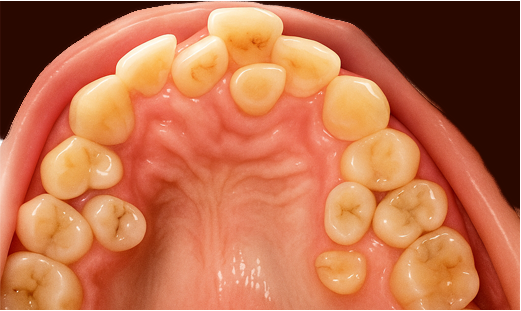
Invisalign Treatment
Invisalign is an orthodontic treatment method that uses custom-made, clear and removable aligners to gradually change the position of the teeth. Tooth movements are planned according to digital dental records and clinical evaluation, and the treatment process is monitored through orthodontic check-ups at specified intervals.
What are Invisalign and clear aligner treatment?
Clear aligner treatment uses a series of aligners, each designed to move the teeth toward their planned positions in small and controlled steps. The aligners fit over the teeth and are changed according to the sequence specified in the treatment plan.
Invisalign is one of the systems used for clear aligner treatment. Instead of fixing brackets and wires to the teeth, removable aligners are used, providing a different option in terms of treatment visibility and daily use.
However, clear aligner treatment is not automatically suitable for every patient. Suitability is determined by evaluating the current position of the teeth, bite relationships, jaw structure, gum and bone health, and the extent of the planned tooth movements together.
How is Invisalign treatment planned?
Before treatment, the patient’s concerns, expectations, and medical history are evaluated. Following an intraoral examination, photographs, radiographic records, and digital dental impressions may be obtained when necessary.
These records are used not only to evaluate tooth alignment, but also the relationship between the upper and lower jaws, the bite, and the condition of the supporting tissues.
During digital treatment planning, the intended sequence and extent of tooth movements are determined. When the aligners are delivered, their fit in the mouth is checked and the recommended wearing schedule is explained.
Tooth movements are monitored during follow-up appointments throughout treatment. When necessary, the plan may be updated or additional sets of aligners may be prepared.
In which cases can Invisalign be used?
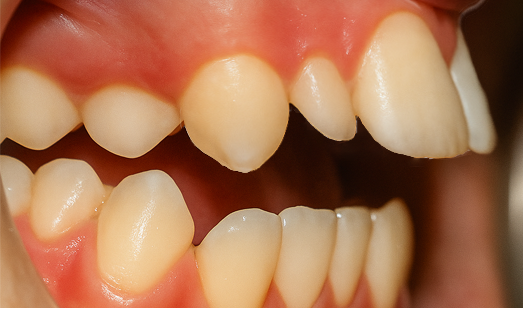
In suitable cases, clear aligners may be included in the treatment plan for orthodontic conditions such as:
- Crowded or rotated teeth
- Spaces between the teeth
- Mismatch between the upper and lower bite
- Deep bite, open bite, or crossbite
- Movement of the teeth following previous orthodontic treatment
- A preference for a less visible orthodontic treatment method for aesthetic reasons
The presence of one of these conditions does not necessarily mean that Invisalign treatment is suitable.
While certain tooth movements can be planned with clear aligners, fixed braces, additional appliances, or a multidisciplinary approach may be more appropriate in some cases.
Who is Invisalign suitable for?
Invisalign may be considered for children, teenagers, and adults whose oral tissues and supporting structures are suitable for orthodontic treatment. However, age alone is not sufficient to determine suitability.
The stage of dental and jaw development, the nature of the existing orthodontic problem, oral hygiene, and the patient’s ability to wear the aligners according to the recommended schedule are important considerations.
Because clear aligners are removable, patient cooperation is one of the key components of treatment. Irregular aligner use may delay the planned tooth movements or require the treatment plan to be reassessed.
If gum disease, active tooth decay, or a problem involving the supporting tissues is present, the relevant oral health needs may need to be addressed before orthodontic treatment begins.
Clear aligner treatment for children and teenagers
The suitability of clear aligner treatment for children and teenagers who are still growing and developing is evaluated individually. The presence of primary and permanent teeth, jaw development, erupting teeth, and treatment goals all influence treatment planning.
An early orthodontic evaluation does not mean that every child needs to begin treatment immediately. In some children, monitoring growth and dental development may be sufficient, while in other cases a treatment plan that makes use of the growth period may be considered.
The child’s ability to follow the recommended aligner-wearing schedule and the family’s ability to support the treatment process are also important when selecting the treatment method.
Invisalign for adults
Orthodontic treatment can also be planned for adults when the bone and gum tissues surrounding the teeth are suitable.
The less visible appearance of clear aligners and the ability to remove them during meals and oral hygiene may make them an appealing option for patients who prefer not to wear fixed appliances in their professional or social lives.
Existing restorations, missing teeth, periodontal condition, and jaw relationships are taken into consideration when planning treatment for adult patients.
In some cases, orthodontic treatment may need to be coordinated with other dental procedures. The scope and suitability of treatment are explained after clinical examination and evaluation of the necessary diagnostic records.
How many hours a day should Invisalign aligners be worn?
Clear aligners need to be worn for most of the day in order to achieve the planned effect.
Invisalign generally recommends wearing the aligners for approximately 20–22 hours per day; however, each patient’s individual wearing schedule should be determined by their orthodontist.
Aligners are generally removed while eating and while cleaning the teeth. The timing for changing to the next aligner, follow-up intervals, and instructions for aligner use may vary according to the individual treatment plan.
If an aligner is lost, damaged, or does not fit properly, the orthodontist should be contacted rather than moving to the next aligner without professional guidance.
Eating, drinking, and oral care
Because the aligners are removable, brushing the teeth and cleaning between the teeth may be easier during treatment.
After meals, it is important for both the teeth and the aligners to be clean before the aligners are placed back in the mouth. Drinking beverages other than water while wearing the aligners may contribute to staining, odor, or oral hygiene problems.
Aligners should be cleaned using the method recommended by the orthodontist and with water at an appropriate temperature. Very hot water may distort the shape of the aligners.
Continuing regular dental check-ups and oral care throughout orthodontic treatment helps maintain the health of the teeth and gums.
Invisalign or braces?
Invisalign and fixed braces are different orthodontic methods used to move the teeth.
Clear aligners are removable and provide a less visible option, while braces remain fixed to the teeth. Fixed appliances do not depend on the patient remembering to wear them for a certain number of hours, whereas following the recommended wearing schedule is important with clear aligners.
The choice of treatment method is not based on appearance alone. The required tooth movements, bite problem, treatment goals, age, oral health, and the patient’s daily habits are evaluated together.
In some cases both methods may be possible treatment options, while in others one method may be more appropriate for achieving the clinical treatment goals.
How long does Invisalign treatment take?
Treatment duration varies according to the extent of crowding or the bite problem, the planned tooth movements, biological response, and how consistently the aligners are worn according to the recommended schedule.
For this reason, an individualized treatment duration cannot be determined based only on a photograph or a general average.
Cases requiring relatively limited tooth movement and cases requiring more extensive bite correction may differ in both the number of aligners required and the duration of follow-up.
An estimated treatment duration can be provided after examination and digital treatment planning. The need for additional aligners during treatment may affect the total treatment time.
What affects the cost of Invisalign treatment?
The cost of Invisalign treatment is not a standard amount that is the same for every patient.
The complexity of the case, the planned tooth movements, the number of aligners required, whether treatment involves one or both jaws, additional procedures, and the follow-up process may all affect the treatment cost.
A definitive treatment plan and information about treatment fees can be provided after a clinical examination and evaluation of the necessary diagnostic records.
Rather than choosing a treatment method based solely on price, the scope of the recommended treatment, follow-up plan, and individual oral health requirements should be considered together.
Invisalign evaluation in Kadıköy and Caddebostan
At Dr. Esma Kuriş Baştan’s clinic in Caddebostan, Invisalign and other orthodontic treatment options are evaluated individually for children, teenagers, and adults.
The clinic is conveniently located for patients travelling from Kadıköy, Caddebostan, Suadiye, Erenköy, Bostancı, Göztepe, Kozyatağı, Fenerbahçe, and surrounding areas.
During the initial consultation, the patient’s expectations are discussed and tooth alignment, bite, and jaw relationships are evaluated. Whether Invisalign is an appropriate option and which alternative methods may be considered are explained after the necessary clinical records have been reviewed.
Frequently asked questions
Should Invisalign aligners be removed while eating?
Aligners are generally removed while eating. After the meal, the teeth are cleaned and the aligners are placed back in the mouth. Individual wearing instructions are provided by the orthodontist responsible for the treatment.
Does Invisalign affect speech?
A temporary and mild change in speech may be noticed when the aligners are first worn. For most people, this decreases as they become accustomed to the aligners. If the problem continues, the fit of the aligners should be checked.
Is Invisalign painful?
Pressure or sensitivity may be felt in the teeth when changing to a new aligner. The level of discomfort may vary from person to person. The orthodontist should be contacted if severe, unexpected, or persistent pain occurs.
Are clear aligners worn at night?
Treatment aligners are generally worn at night as well in order to complete the daily wearing time recommended by the orthodontist. Wearing aligners only at night may not be sufficient for most active treatment plans.
Are retainers required after Invisalign treatment?
After active orthodontic treatment has been completed, fixed or removable retainers may be planned to help maintain the new positions of the teeth. The retention method and recommended duration of use are determined according to the patient’s treatment result.
Can the exact treatment duration be determined at the first consultation?
A general estimate may be provided during the initial clinical evaluation. More detailed information regarding treatment duration and method is determined after the necessary photographs, digital impressions, and radiographic records have been evaluated.
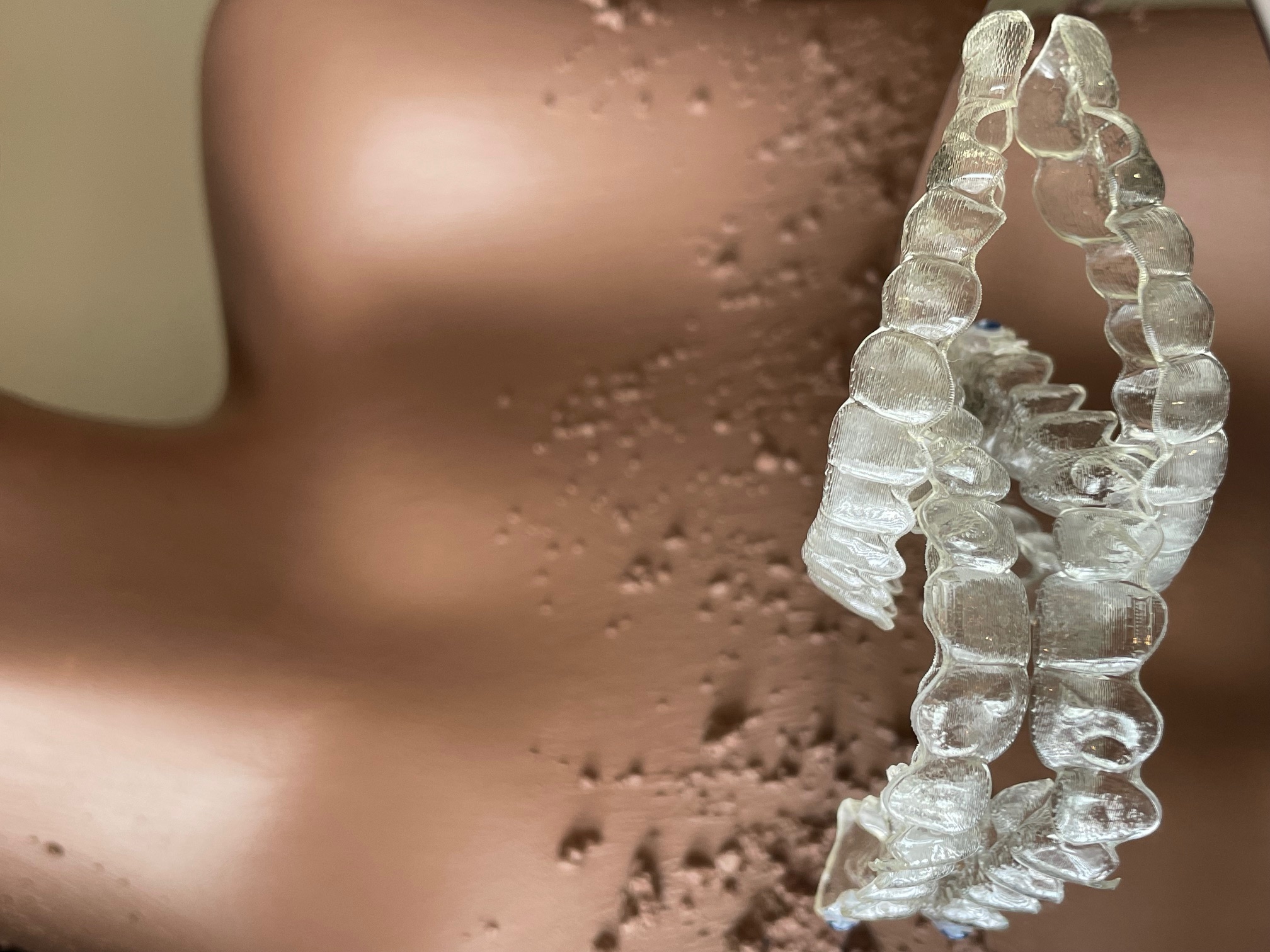
Personalized treatment planning.
Orthodontic treatment is planned by considering each patient’s dental structure, bite, oral health, and daily-life requirements.
You can contact our clinic to find out whether Invisalign may be suitable for you and to discuss alternative orthodontic treatment options.
Contact & Appointment Get Information via WhatsAppThe information on this page is provided for general informational purposes and does not replace a clinical examination, diagnosis, or individualized treatment recommendation.